Why Your Current Social Media Strategy Isn't Working
Be honest with yourself for a second. How many times have you posted something — a nice graphic, a product photo, a quote — and heard nothing but crickets? Maybe a few likes from your own team. Maybe a comment from your mum.
You're not alone. The truth is, most businesses approach social media completely backwards. They treat it like a billboard — push content out, hope someone sees it, repeat. That approach died around 2019. What works now is fundamentally different.
This guide isn't going to tell you to "post consistently" and "engage with your audience." You already know that. This is about the actual mechanics of what's working right now, in 2025, for businesses that are genuinely growing their audience and converting followers into customers.
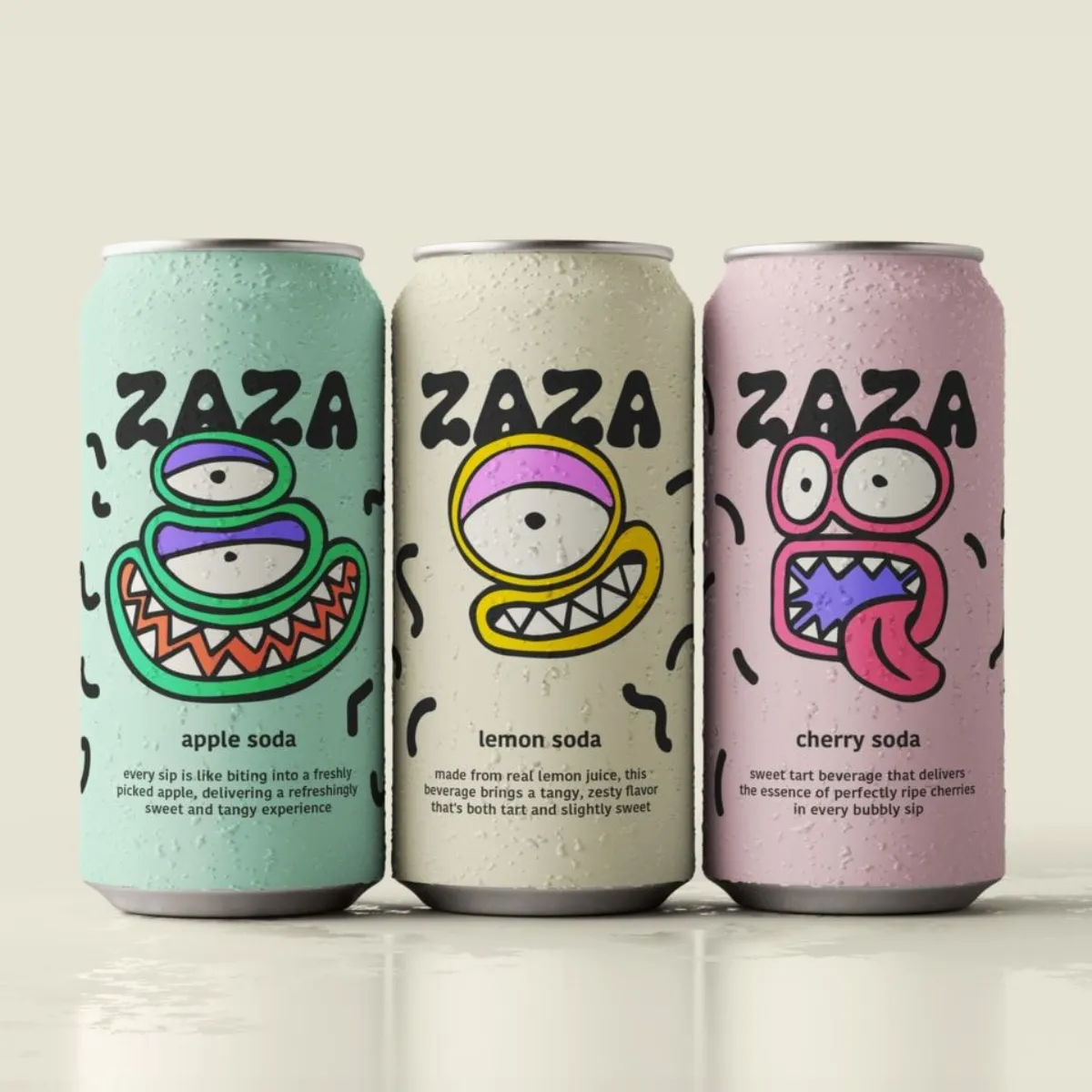
First, Choose Your Battlefield
One of the biggest mistakes businesses make is trying to be everywhere at once. Instagram, LinkedIn, Facebook, Twitter/X, TikTok, YouTube, Pinterest — all at the same time, with the same energy. The result? Mediocre content on every platform and meaningful traction on none.
Here's a simple framework for picking your platforms:
B2C Businesses (Selling to Consumers)
- Instagram — Visual products, lifestyle brands, food & beverage, fashion, beauty, real estate
- TikTok — Younger demographics, entertainment, behind-the-scenes, viral potential
- YouTube — Long-form content, tutorials, product reviews, builds deep trust over time
- Facebook — Older demographics (35+), local businesses, community groups, events
B2B Businesses (Selling to Other Businesses)
- LinkedIn — Professional services, SaaS, consulting, B2B lead generation — this is the platform that actually works
- YouTube — Thought leadership, case studies, product demos
- Instagram — Secondary; good for brand awareness and recruiting
The rule: Pick two platforms maximum. Do them exceptionally well. Expand only after you've built real traction.
The Content Formula That's Actually Working in 2025
Here's something the "social media gurus" won't tell you: the type of content matters infinitely more than the frequency. Posting 7 average pieces of content per week is less effective than posting 3 genuinely useful or genuinely interesting ones.
The content mix that's driving results for most businesses right now follows this rough split:
40% — Educational Content
Teach your audience something they didn't know before. Not surface-level stuff — go deep. Answer the questions your customers actually ask you. Share the thing your competitors are afraid to explain for free. This is how you become the trusted expert in your space, and trust is what sells.
Examples: How-to posts, myth-busting, industry insights, behind-the-process content, data and statistics with your commentary.
30% — Relatable / Human Content
Business owners trying too hard to be "professional" are invisible on social media. People follow people, not brands. Show the face behind the business. Share a lesson you learned the hard way. Post the failure alongside the success. This content builds the emotional connection that turns a casual follower into a loyal customer.
Examples: Founder stories, team spotlights, honest takes on industry issues, personal lessons, client journey stories (with permission).
20% — Social Proof & Results
Your audience is quietly asking themselves: "But does this actually work?" Answer that question proactively. Results, testimonials, case studies, before-and-after content — this is what converts followers who already trust you into paying customers.
10% — Direct Promotion
Yes, 10%. Only. If you're selling in every post, people stop watching. If you earn trust with the other 90% of your content, the 10% that sells converts at a dramatically higher rate.

The Algorithm Truth Nobody Likes Hearing
Every major platform — Instagram, LinkedIn, TikTok, YouTube — rewards one thing above all else: time spent. If people stop scrolling to watch, read, or engage with your content, the algorithm shows it to more people. If they scroll past, it disappears.
This means the first line of your caption, the first frame of your video, and the first second of your Reel need to earn attention — not assume it. You're competing with professional content creators, established brands, and an endless feed of everything your audience finds interesting.
The hook is everything. A post that starts with "We're excited to announce..." is dead on arrival. A post that starts with "We almost lost our biggest client last year. Here's exactly what happened." has a fighting chance.
"Your audience doesn't owe you their attention. You earn it with every single post."
Short-Form Video: The Non-Negotiable in 2025
If you're not doing Reels, TikToks, or YouTube Shorts, you're leaving the most powerful organic reach tool on the table. Short-form video is the only format right now where a completely unknown account can reach hundreds of thousands of people without spending a single rupee on ads.
You don't need a studio. You don't need a professional camera. You need:
- Good lighting (a window, a ring light — that's it)
- Clear audio (a ₹500 clip-on mic makes a massive difference)
- A strong first 3 seconds that makes someone stop scrolling
- One clear idea per video — not five, not three, one
The businesses growing fastest on social media in 2025 are posting 3–5 short videos per week. Not polished, agency-produced films — authentic, useful, direct-to-camera content that shows expertise and personality.
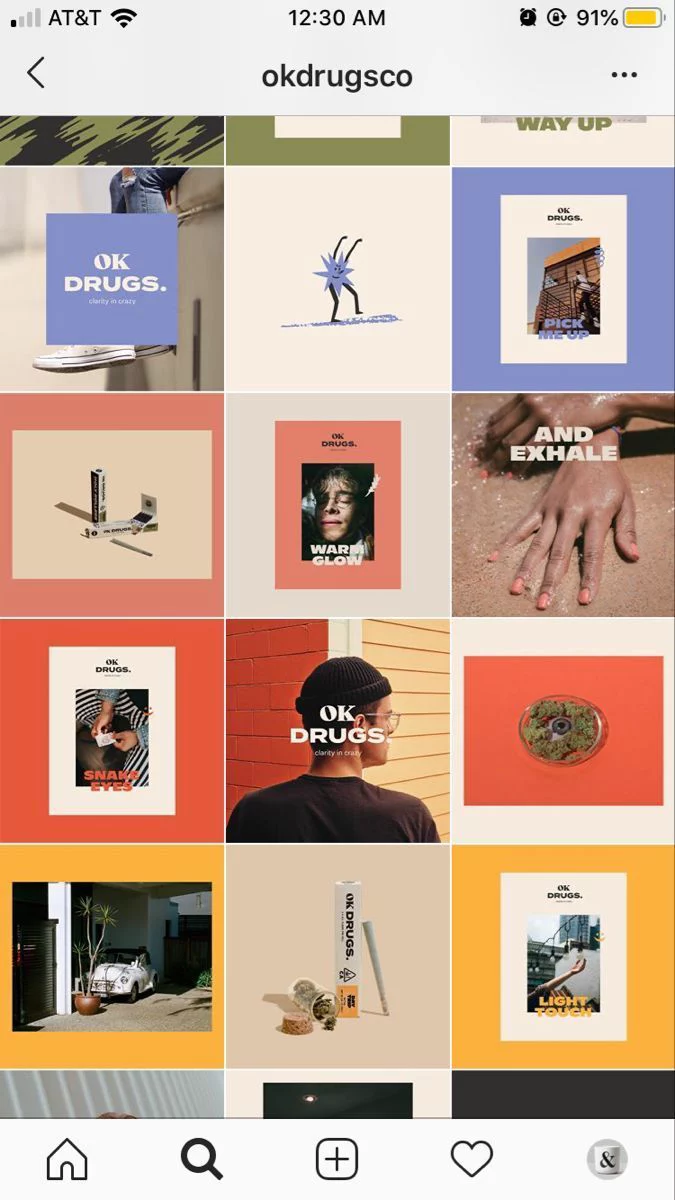
What a Real Social Media Content Calendar Looks Like
Here's a practical weekly framework for a B2B or B2C business:
| Day | Content Type | Format |
|---|---|---|
| Monday | Educational — industry insight or tip | Carousel or short video |
| Wednesday | Human — team, story, behind-the-scenes | Photo or Reel |
| Thursday | Social proof — client result or testimonial | Graphic or video |
| Friday | Conversation starter — question or opinion | Text post or short video |
| Weekend (optional) | Lighthearted or promotional | Any |
The key is consistency, not volume. Four posts a week, every week, for 6 months will outperform 15 posts a week for 3 weeks and then nothing.
The Engagement Mistake That Kills Reach
Most businesses post and disappear. They don't reply to comments for 6 hours. They never comment on other accounts. They treat social media as a broadcast channel, not a conversation.
Here's what the algorithm sees: a post that gets 20 comments within the first hour gets shown to more people than a post that gets 20 comments spread across 3 days. Recency and velocity of engagement matters.
What this means in practice:
- Reply to every comment within the first 2 hours of posting
- Ask a question at the end of your caption to invite responses
- Spend 15 minutes before posting commenting genuinely on 5–10 accounts in your niche
- Engage with the people who regularly engage with you — they're your community, treat them like it

Paid Social: When and How to Use It
Organic social builds brand. Paid social accelerates it. But paid social without a strong organic foundation is expensive and often ineffective — you're asking strangers to buy from a brand they've never heard of.
The right time to run paid social ads is when:
- You have content that's already performing well organically (boost your winners, not your average posts)
- You have a specific offer, event, or campaign to promote
- You want to retarget people who've already visited your website or engaged with your profile
- You're ready to scale what's already working
If you're just starting out, put all your energy into organic for the first 3–6 months. Build the proof. Build the following. Then amplify with paid.
Stop Measuring Vanity Metrics
Follower count is a vanity metric. So are likes, unless they're correlated with sales. The metrics that actually matter for business growth are:
- Profile visits — People clicking your name to learn more. This signals genuine interest.
- Link clicks — People visiting your website from social. This is intent.
- DM inquiries — Direct messages asking about your product or service. This is a lead.
- Saves (Instagram) — People saving your content to revisit. The highest-quality engagement signal on the platform.
- Conversion rate — Of the people who click through to your site, how many become leads or customers?
Track these weekly. Make decisions based on what's actually driving business outcomes, not what looks impressive on a report.
Need a Social Media Strategy That Actually Works?
If you're spending hours on social media and not seeing results that impact your business, the problem usually isn't effort — it's strategy. TML Agency manages social media for businesses across industries, building content strategies that build real audiences and generate real leads.
We handle everything from content creation and scheduling to community management and paid social campaigns — so you can focus on running your business while your social media works in the background.
Explore TML Agency's social media marketing services → or get a free social media audit today →