You know that feeling when you walk into a restaurant and something just feels off? The sign outside says fine dining, but the menu is on laminated paper, the lighting is harsh, and the staff are wearing cargo shorts. Nothing is technically wrong, but the whole experience screams "we did not think this through."
That is exactly what bad branding does to your business. Potential customers sense the disconnect, even if they cannot articulate it, and they quietly leave.
After working with hundreds of small businesses at TML Agency, here are the 10 branding mistakes I see destroying companies from the inside out.
Mistake 1: Thinking Your Brand Is Just a Logo
Your logo is about 5% of your brand. Your brand is the entire experience someone has with your business — from the first Google search to the last customer service interaction.
It includes your visual identity (yes, including the logo), but also your voice, your values, how you answer the phone, the way your emails sound, your packaging, your office, your social media presence. Everything.
When you treat branding as "just get a nice logo," you end up with a nice logo attached to a forgettable, inconsistent experience.
Mistake 2: Inconsistent Visual Identity
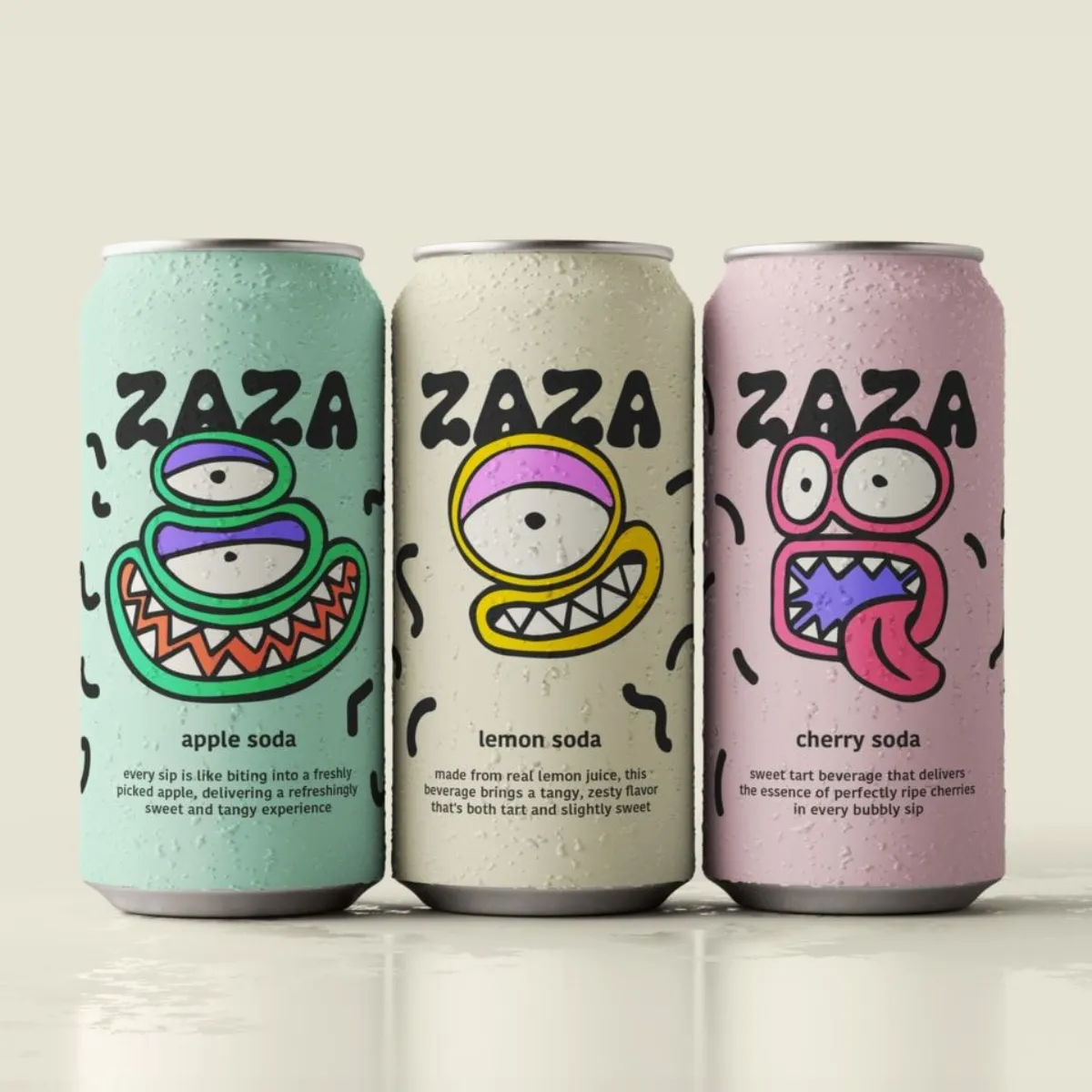
Your website uses navy blue. Your Instagram uses teal. Your business cards are royal blue. Your brochure uses a completely different font. Sound familiar?
Visual inconsistency confuses people. It makes your business look disorganized and unprofessional. Strong brands are obsessively consistent — the same colours, fonts, spacing, and imagery style everywhere.
Create a simple brand style guide (even a one-page document) with your exact hex colours, fonts, and logo usage rules. Then actually follow it.
Mistake 3: Not Having a Brand Voice
Your website sounds corporate and stiff. Your Instagram captions are casual and funny. Your emails are somewhere in between. Your customers have no idea who they are actually talking to.
Your brand voice should be consistent regardless of the platform. That does not mean identical — you can be slightly more casual on social media. But the personality should be recognisably the same everywhere.
Ask yourself: if your brand were a person, how would they talk? Formal or casual? Serious or playful? Technical or simple? Write that down and stick to it.

Mistake 4: Copying Your Competitors
If your brand looks, sounds, and feels like your competitor's brand, congratulations — you have successfully made yourself invisible. When everyone in your industry uses the same stock photos, the same colour palette, and the same vague taglines, customers see you all as interchangeable.
The whole point of branding is to stand out. Look at what your competitors are doing, and then deliberately do something different. If every dentist in your city uses clinical white and blue, what happens if you use warm tones and a friendly, human approach? You become the one they remember.
Mistake 5: Ignoring Your Target Audience
You are not branding for yourself. You are branding for the people you want to attract. A brand that appeals to 25-year-old tech professionals looks vastly different from one targeting 55-year-old retirees.
I see business owners make branding decisions based on their personal taste rather than their customer's preferences. Your favourite colour is neon green? Great. But if your target audience is corporate CFOs, maybe reconsider.
Talk to your best customers. What drew them to you? What do they value? What words do they use to describe your business? Build your brand around that.
Mistake 6: Getting a Cheap Logo and Calling It Done
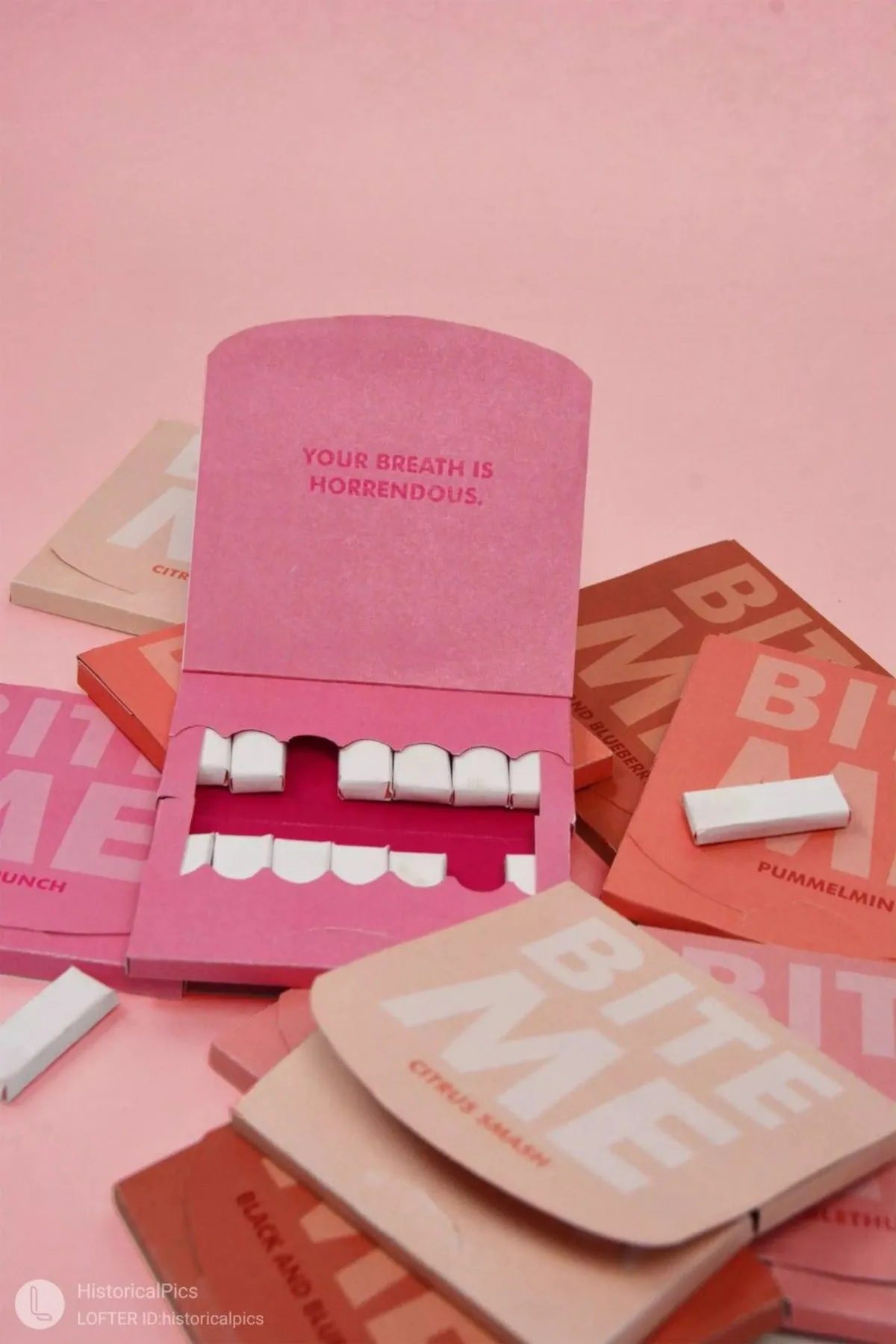
A $5 logo from a freelance marketplace is worth exactly what you paid for it. It will be generic, likely similar to 500 other logos made from the same templates, and it will not represent anything unique about your business.
I am not saying you need to spend $10,000 on a logo. But a $500-$2,000 investment in a professionally designed logo and basic brand identity will serve you for 5-10 years. Amortise that over a decade and it is $200/year. For the face of your business. That is a bargain.
Mistake 7: No Brand Story
People do not connect with businesses. They connect with stories. Why did you start this company? What problem were you frustrated by? What do you believe that your industry gets wrong?
Your "About" page should not be a boring timeline of company milestones. It should be a story that makes people think: "These are my kind of people. They get it."
The best brand stories are honest and specific. Not "we are passionate about excellence." Rather, "We started this company after our founder spent 6 months trying to find a decent plumber and couldn't."
Mistake 8: Terrible Website Design
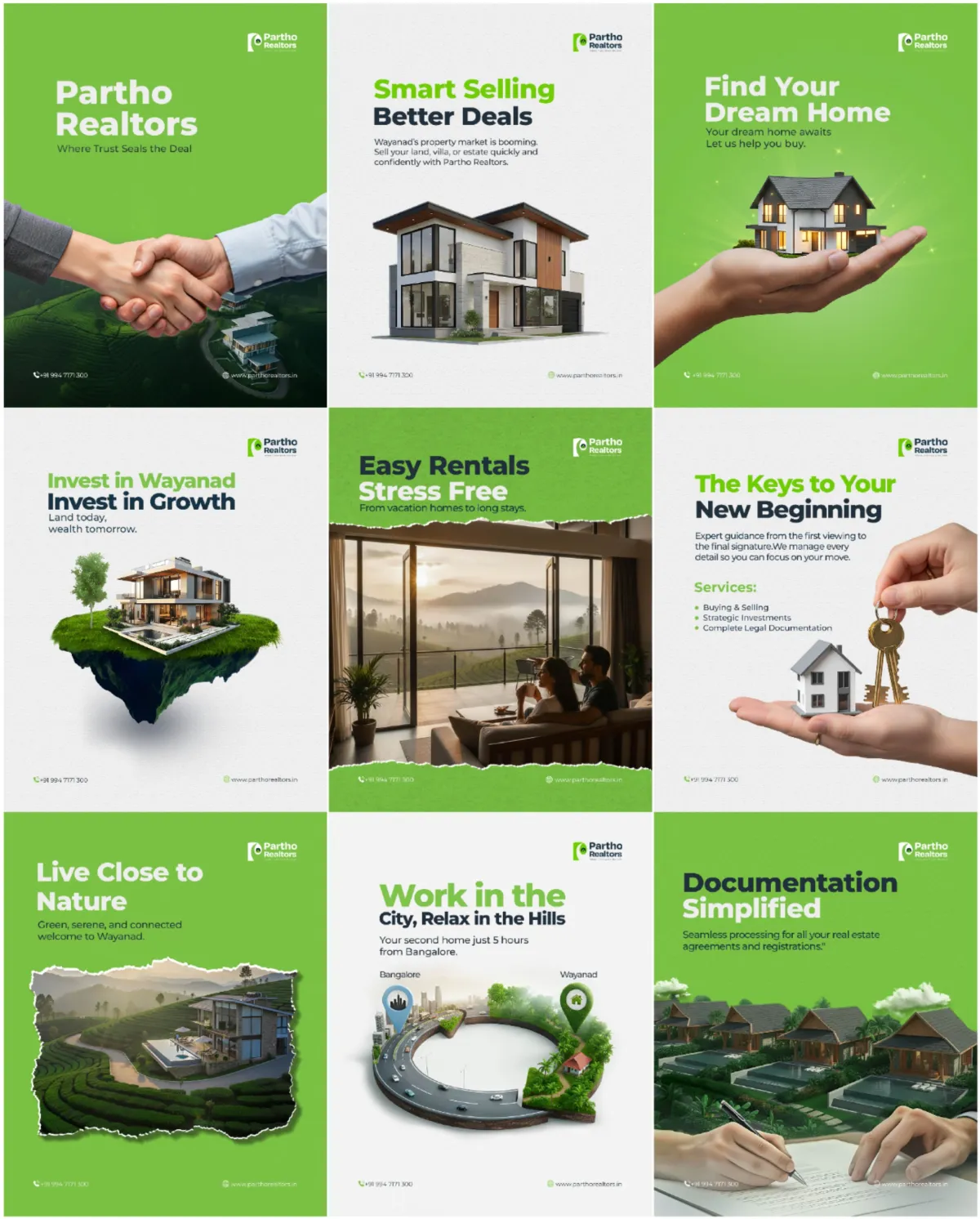
Your website is your digital storefront. In 2026, it is often the first and only impression someone has of your business. If it looks like it was built in 2012, loads slowly, or is confusing to navigate, visitors will judge your entire business accordingly.
Your website should instantly communicate what you do, who you do it for, and why you are different. Within 5 seconds. If it takes longer, visitors are gone.
Mistake 9: Not Investing in Brand Long-Term
Branding is not a one-time project. It is an ongoing investment. Your brand needs to evolve as your business grows, as your market changes, and as your customers' expectations shift.
Set aside a small monthly budget for brand activities: content creation, social media presence, customer experience improvements, occasional design refreshes. Brands that stay static become stale.
Mistake 10: No Clear Differentiation
If someone asks "why should I choose you over your competitor?" and your answer is "because we provide great service and quality work" — you have a differentiation problem. That is what everyone says.
Your differentiator needs to be specific, provable, and meaningful to your customer. Examples:
- "We are the only marketing agency in Chandigarh that guarantees monthly rankings reports with recorded video walkthroughs"
- "We fix plumbing issues in 2 hours or the callout is free"
- "We only work with restaurants — we know your industry inside out"
If you cannot finish the sentence "We are the only _____ that _____," keep working until you can.
How to Fix Your Brand
The good news: branding problems are fixable. Start with these steps:
- Audit your current brand — look at every touchpoint (website, social, emails, signage) and note inconsistencies
- Define your audience clearly — who exactly are you trying to attract?
- Write your brand story — why do you exist, and what makes you different?
- Create a brand guide — lock in your colours, fonts, voice, and imagery style
- Apply consistently — update everything to match your new brand standards
At TML Agency, we help small businesses build brands that actually stand out and connect with the right audience. From logo design and brand identity to website redesign and messaging strategy — we handle the whole picture.
Ready to stop blending in? Let us talk about your brand.