Digital marketing for Manufacturing & Industrial
Generate qualified B2B leads, build export market credibility, and establish your manufacturing brand as a category authority — with industrial SEO, LinkedIn demand generation, and content marketing built for long B2B sales cycles.
- More visibility
- Qualified leads
- Stronger brand
- Better results
Let's grow your manufacturing & industrial brand
Tell us your goals and we'll build a custom strategy — free, no obligation.



Trusted by 500+ brands since 2010

of B2B buyers research suppliers online before contact
India's manufacturing output target by 2025
more qualified leads from SEO vs trade show attendance
of export buyers check supplier website before shortlisting
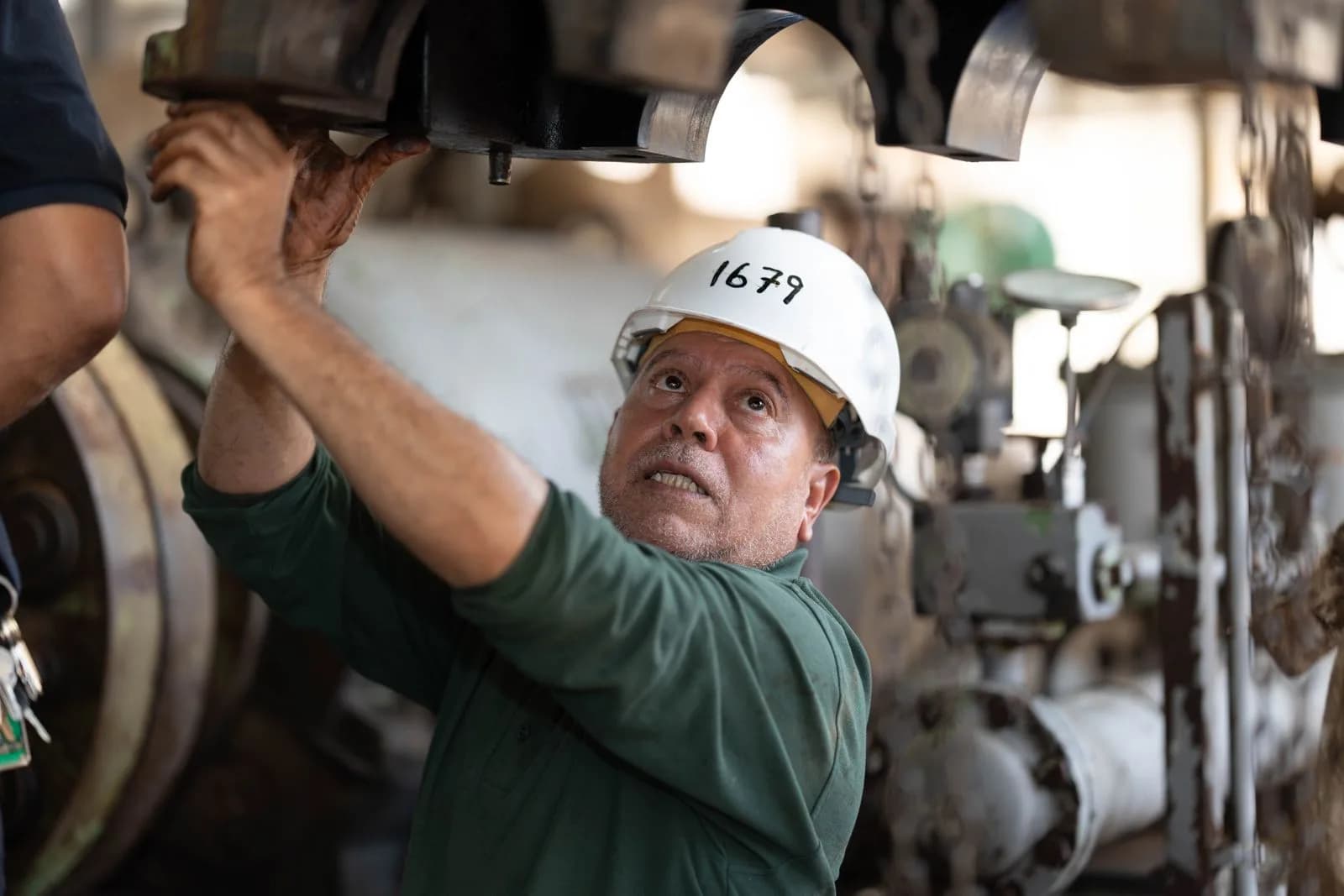
The Challenge
What manufacturing & industrial businesses face
Long B2B Sales Cycles with Committee Buying
Manufacturing procurement decisions involve 4–8 stakeholders — engineer, procurement manager, quality head
Low Digital Presence in a Relationship-Driven Industry
Most manufacturing companies built their business on decade-long trade relationships and exhibition circuits…
Export Market Credibility Without In-Person Relationships
An international buyer considering an Indian supplier cannot visit the plant before shortlisting.…
Technical Specification Marketing to Multiple Buyer Personas
An engineer evaluating your product needs material grades, tolerance specifications
Competing on Value, Not Just Price
Price competition from Chinese and Southeast Asian manufacturers is real — Indian manufacturers…
Our Services
What we do for manufacturing & industrial
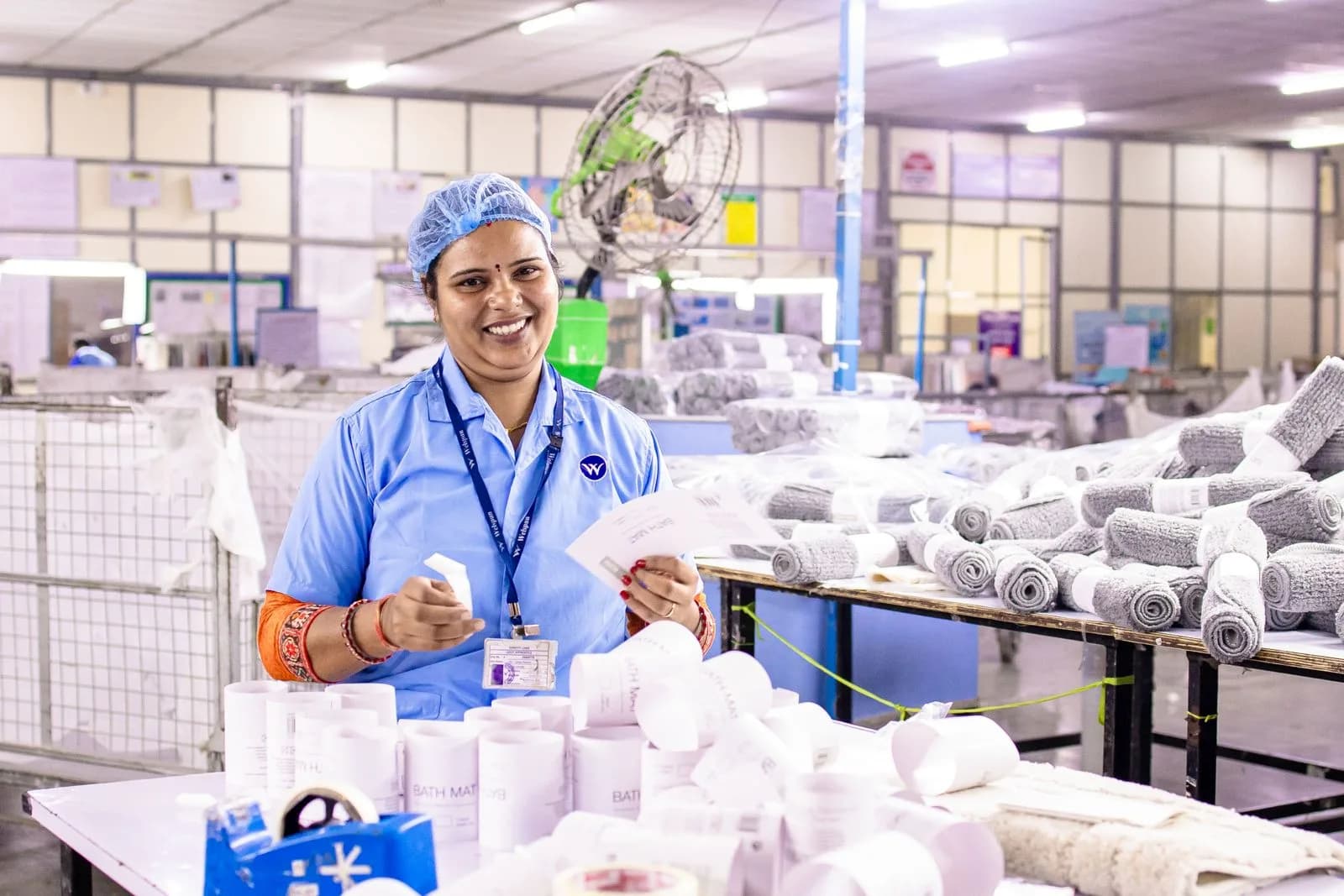
Selected Work
Manufacturing & Industrial portfolio

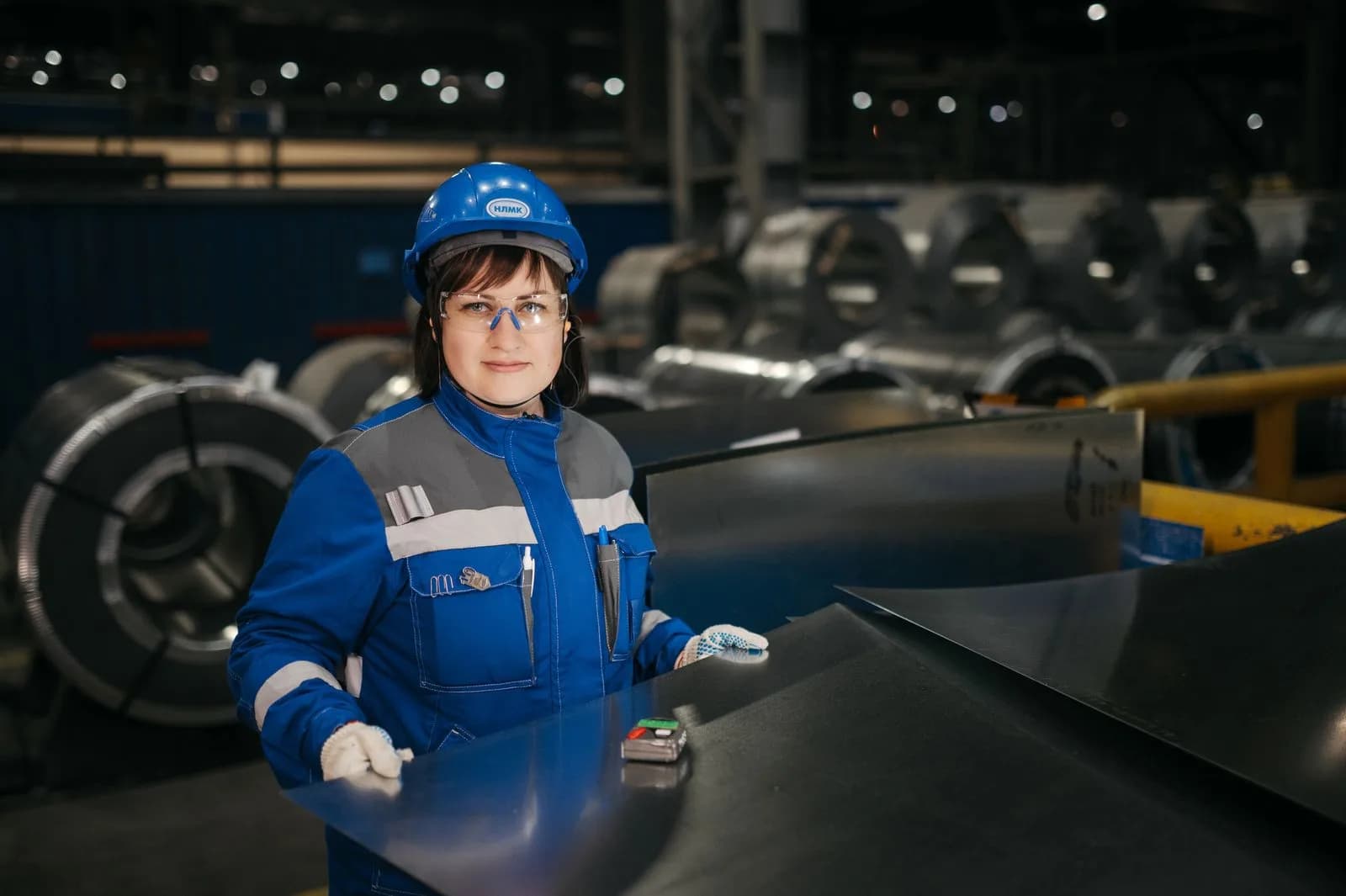
Industry Insights
A deeper look
How manufacturing & industrial brands win online — the channels that move the needle, and the mistakes that quietly drain budget.
Read the full breakdownShow less
Manufacturing's Digital Transformation: The First-Mover Advantage
India's manufacturing sector — from Punjab's textile and engineering clusters to Bangalore's technology manufacturing base — is undergoing a fundamental shift in how buyers discover and evaluate suppliers. The next generation of procurement professionals conduct supplier research online, compare technical specifications through web searches, and shortlist vendors based on digital presence before making a single phone call. Manufacturers who build strong digital assets now are securing pipeline advantages that compound for years. At TML Agency, we have worked with manufacturers across automotive components, textiles, pharmaceutical packaging, food processing equipment, and industrial hardware — helping them generate qualified B2B leads, establish export market credibility, and differentiate from commodity competitors.
Manufacturing and Industrial Marketing KPIs
B2B manufacturing marketing requires different success metrics than consumer or SaaS marketing. The numbers we track: RFQ (Request for Quote) volume by channel and campaign; RFQ-to-purchase-order conversion rate (the quality signal — a low rate usually means the wrong buyer profile is being attracted); average deal value and order size by acquisition channel; export inquiry share vs domestic inquiry share (for manufacturers targeting international buyers); IndiaMart and Alibaba lead volume and quality score; and organic search ranking positions for product-specific and specification-level queries. Secondary metrics: website dwell time on specification pages (engineers spending 4+ minutes on a spec sheet are strong intent signals); catalogue download rate; and video walkthrough completion rate for virtual plant tour content.
Export Market Marketing: Building Credibility Without an In-Person Relationship
An international buyer considering an Indian supplier for the first time is making a significant trust decision. They cannot visit the plant, cannot verify quality in person, and have likely been burned by unreliable suppliers before. The digital assets that convert international buyer interest into a sample order: a professional, fast-loading website with product specifications in buyer-readable formats (PDF datasheets, 3D models, tolerances in imperial and metric); ISO, BIS, or industry-specific certification documentation visible without asking; case studies or supply references from comparable international buyers; a virtual plant walkthrough video that shows production capacity, QC processes, and equipment quality; and rapid response protocols — buyers evaluating Indian suppliers often send enquiries to 5–8 companies simultaneously, and the first professional response wins the conversation. We build all of these assets and the marketing systems that drive international procurement managers to them.
Portal and Platform Optimisation: IndiaMart, Alibaba, and TradeIndia
B2B portals remain important acquisition channels for Indian manufacturers, particularly for export markets. IndiaMart dominates domestic B2B discovery; Alibaba is critical for international buyer access; TradeIndia and ExportersIndia serve specific categories. Optimising these profiles is not a one-time task — it requires systematic keyword optimisation of company descriptions and product listings, regular product catalogue updates with high-quality images, premium membership assessment (the paid tiers significantly improve visibility), and rapid response to buyer inquiries (IndiaMart's algorithm penalises slow response rates with lower listing positions). We manage portal presence as part of a comprehensive manufacturing marketing programme alongside SEO, LinkedIn, and the company website.
Tools We Use for Manufacturing and Industrial Marketing
For portal management: IndiaMart Business App and Alibaba Seller Centre for listing optimisation, inquiry response tracking, and performance analytics. For LinkedIn B2B outreach: LinkedIn Sales Navigator for identifying procurement managers and supply chain directors at target companies by geography, company size, and industry. For SEO: Screaming Frog for technical audit of the manufacturer website; Ahrefs for identifying the specific technical queries your procurement buyer persona types. For website: RFQ form optimisation (friction reduction — ask only for what you need at the first step), live chat for international buyer time-zone availability, specification sheet download tracking in GA4. For email: automated response sequences for new inquiries with specification documentation, lead time, and next step clearly stated — 80% of manufacturing leads go cold from slow or generic responses.
Compliance and Export Marketing Regulations
Indian manufacturers targeting export markets must navigate DGFT (Directorate General of Foreign Trade) export regulations relevant to their product category. Certain categories — defence components, dual-use goods, chemicals, pharmaceuticals — require specific export licences and SCOMET list compliance. The Foreign Trade (Development and Regulation) Act governs export documentation and restricted item lists. For advertising, ASCI guidelines on B2B marketing apply. BIS certification requirements must be disclosed accurately if claimed in marketing materials. We ensure manufacturing client marketing materials are accurate regarding certifications, compliance claims, and capability representations — protecting your export licence and buyer relationships.
Growth Pattern: Building a Manufacturing B2B Pipeline
Month 1–2: Digital foundation. Website technical audit and rebuild if necessary (most manufacturing websites have critical SEO and speed issues); product category page optimisation for specification-level keywords; IndiaMart and Alibaba profile overhaul; LinkedIn company page activation with capability-focused content. Month 3–4: Content deployment. Specification sheets and datasheets as SEO-optimised PDFs with download tracking; plant walkthrough video; customer reference content (anonymised if needed). Month 5–6: LinkedIn demand generation. Targeted outreach to procurement managers at 200–500 target companies by LinkedIn Sales Navigator; sponsored content for brand awareness with a specific buyer persona. Month 7–12: SEO and organic growth. Category authority content — material guides, application notes, certification explainers — that rank for the queries international and domestic buyers type when researching your product category. By month 12, manufacturers with consistent digital investment typically receive 15–30 qualified international RFQs monthly from digital channels — a pipeline that previously required international trade show attendance at ₹10–20 lakhs per event.
Case Studies in Manufacturing and Industrial Marketing
Related work: Manchester precision manufacturer — digital lead generation programme generating 23 qualified international RFQs in month 3; Ahmedabad textile manufacturer — B2B brand and IndiaMart optimisation programme increasing export inquiry volume 3.4x in 6 months. For Punjab-belt manufacturing case studies, contact us at +91 98726 48209 — we have directly relevant experience with Ludhiana and Mohali manufacturers in hosiery, bicycle components, and auto parts.
Punjab's Manufacturing Belt: A Digital Marketing Opportunity
Ludhiana is one of India's most important manufacturing hubs — producing hosiery, bicycle components, auto parts, and industrial machinery that are exported globally. Chandigarh's industrial area and Mohali's growing industrial parks add to the region's manufacturing capacity. Yet the overwhelming majority of these manufacturers have minimal digital presence, relying on decade-old trade relationships and word-of-mouth referrals. This gap is a compounding opportunity: the first manufacturer in each product category to build an authoritative digital presence will capture the growing share of procurement that happens online and dominate category searches for international buyers researching 'bicycle parts manufacturer India' or 'knitwear manufacturer Ludhiana' for years before competitors catch up.
Verified Google Reviews
350+ reviews
across 2 locations
What Our Clients Say.
02/Awards & partnerships
Awards from the industry. Trust from the platforms.
& certifications

Top GenAI Company
Clutch · 2026 leader
Google Ads
Performance & search

Red Herring Winner
Top 100 Asia
Microsoft
Cloud & enterprise
Shopify
Commerce builds

Flutter Service Award
App development excellence
WordPress
CMS & enterprise web
ChatGPT
AI workflow partner

Top Clutch · App Dev
Verified industry leader
Gemini
Google AI partner
Google Cloud
Infra & data
Bing Ads
Microsoft advertising


FAQ
Common questions
Does digital marketing work for industrial B2B manufacturers?
Absolutely. The industrial buying journey is now predominantly digital — procurement managers research suppliers online, compare specifications on vendor websites, and shortlist before making any human contact. Manufacturers who invest in digital presence consistently outperform those relying solely on trade relationships. The companies we work with in Punjab's industrial belt (Ludhiana, Mohali, Chandigarh) have generated significant export enquiries through LinkedIn and industrial SEO alone.
What is the best channel for Indian manufacturers to reach international buyers?
For initial export market entry, a combination of B2B portal optimisation (IndiaMart, Alibaba, TradeIndia), export directory presence, and a professional English-language website is the foundation. LinkedIn is highly effective for reaching procurement managers at specific international companies. Google Ads for category-level searches ('stainless steel fasteners manufacturer India', 'textile machinery supplier India') generate inbound enquiries from buyers actively sourcing. Long-term, content SEO builds the most sustainable export lead flow.
How do you market technical manufacturing products to non-technical decision-makers?
We bridge the technical-commercial gap by creating layered content: highly technical specification pages for engineers who will evaluate your product, and business-outcome-focused content (cost savings, lead time, quality certifications) for procurement managers and CFOs who make the final vendor decision. The goal is that every stakeholder in the buying committee finds exactly the information they need — regardless of their technical depth — when they visit your digital assets.
What KPIs matter most for manufacturing and industrial B2B marketing?
RFQ volume by channel is the primary acquisition metric — not website traffic or form submissions. The quality metric is RFQ-to-purchase-order conversion rate: if it is below 15%, you are likely attracting the wrong buyer profile (wrong geography, wrong MOQ expectations, wrong application type). Secondary metrics: average deal value by acquisition channel (LinkedIn-sourced RFQs typically have 2–3x higher deal values than IndiaMart RFQs), export inquiry share, and organic search ranking positions for your 10 most important specification-level queries.
How do we compete with Chinese manufacturers on digital channels?
Not on price — that race has a floor that Indian manufacturers cannot profitably reach in most product categories. The winning digital strategy targets buyers for whom price is the second consideration: buyers who need quality certifications (ISO, BIS, CE marking), buyers in relationship-sensitive industries (automotive, aerospace, pharmaceutical packaging) where supplier switching is costly, and buyers who have been burned by quality failures from low-cost suppliers and are now prioritising reliability. Your content strategy should directly address these buyers by prominently featuring your certifications, QC processes, defect rate data, and customer retention statistics. A manufacturer with a 7-year supply relationship with a European buyer — even if they cannot name the client — can signal that through their content in ways that a Shenzhen listing on Alibaba never can.
How quickly can digital marketing generate export RFQs for a Ludhiana manufacturer?
IndiaMart profile optimisation and a rebuilt English-language website can start generating international inquiries within 4–8 weeks for categories with active global sourcing — bicycle components, knitwear, hand tools, auto parts. LinkedIn outreach to procurement managers at target international companies can generate conversations within 2–4 weeks. Google Ads for category queries typically generate RFQs within 2–3 weeks of launch. SEO takes 6–9 months for meaningful organic lead flow but delivers the highest quality and lowest CAC at maturity. A realistic expectation: 5–15 qualified international RFQs per month by month 3 from a properly executed programme — more for high-volume categories with active global sourcing.
Get a Quote
Talk to a Manufacturing & Industrial strategist
Tell us about your goals — we'll reply within one business day.
Ready to grow your business?
Let's talk about how we can help your manufacturing & industrial brand attract more customers and dominate your market. Free consultation, no obligations.

Talk to a strategist
Free 30-minute call. No obligations. Just answers.